• The Play & Movement Report 2026

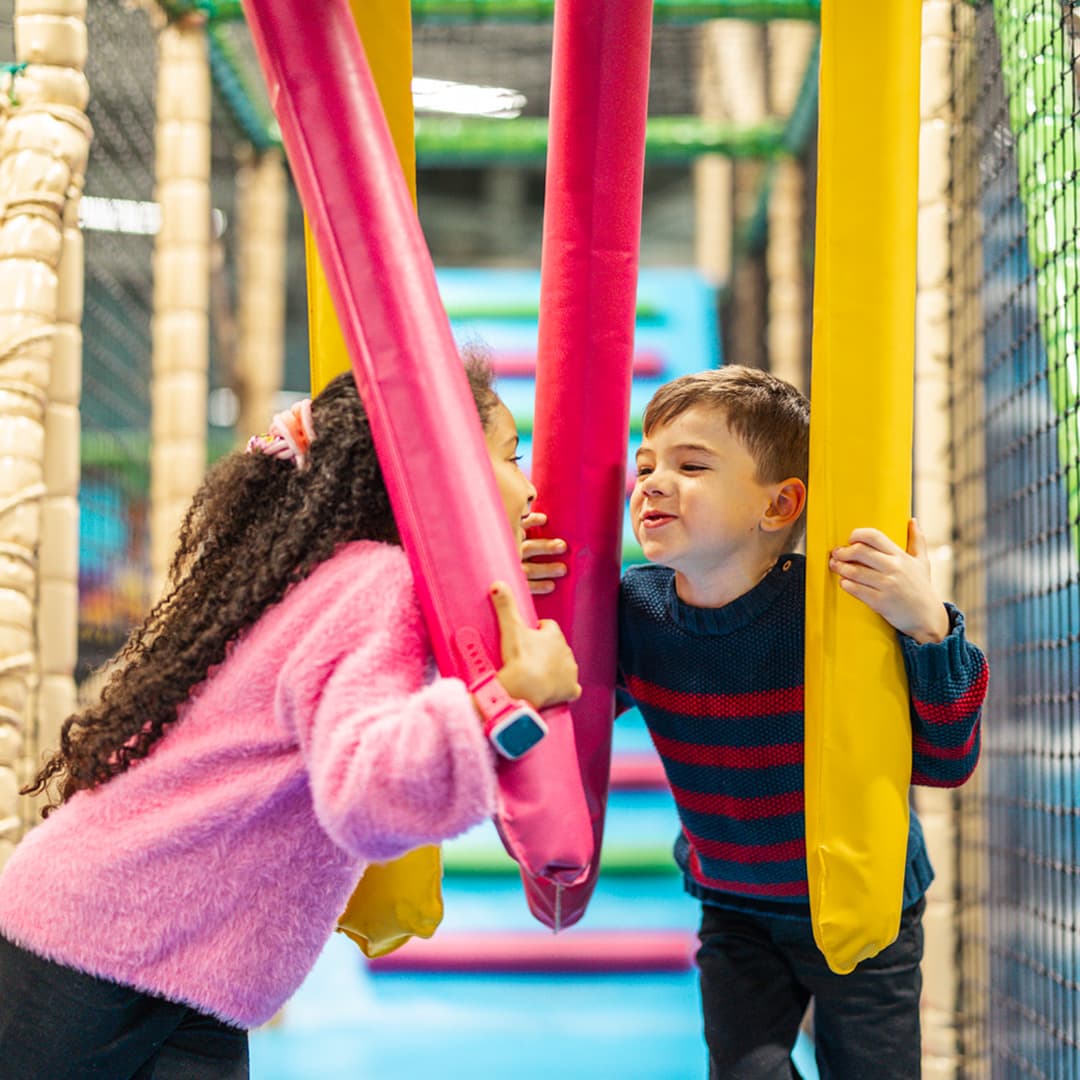
    There was a time when children climbed trees, jumped in puddles, and played outside for hours. Today everyday life often looks different: screens take up more space and physical play decreases as children get older.

    To get a picture of what children’s play, movement and screen time look like, we at Leo’s, together with Norstat, asked 2,000 parents with children aged 2–10 about their habits.

    The result is Leo’s Play & Movement Report 2026, which provides insights into how children’s everyday lives change with age, and how play and movement can have a greater place in them.
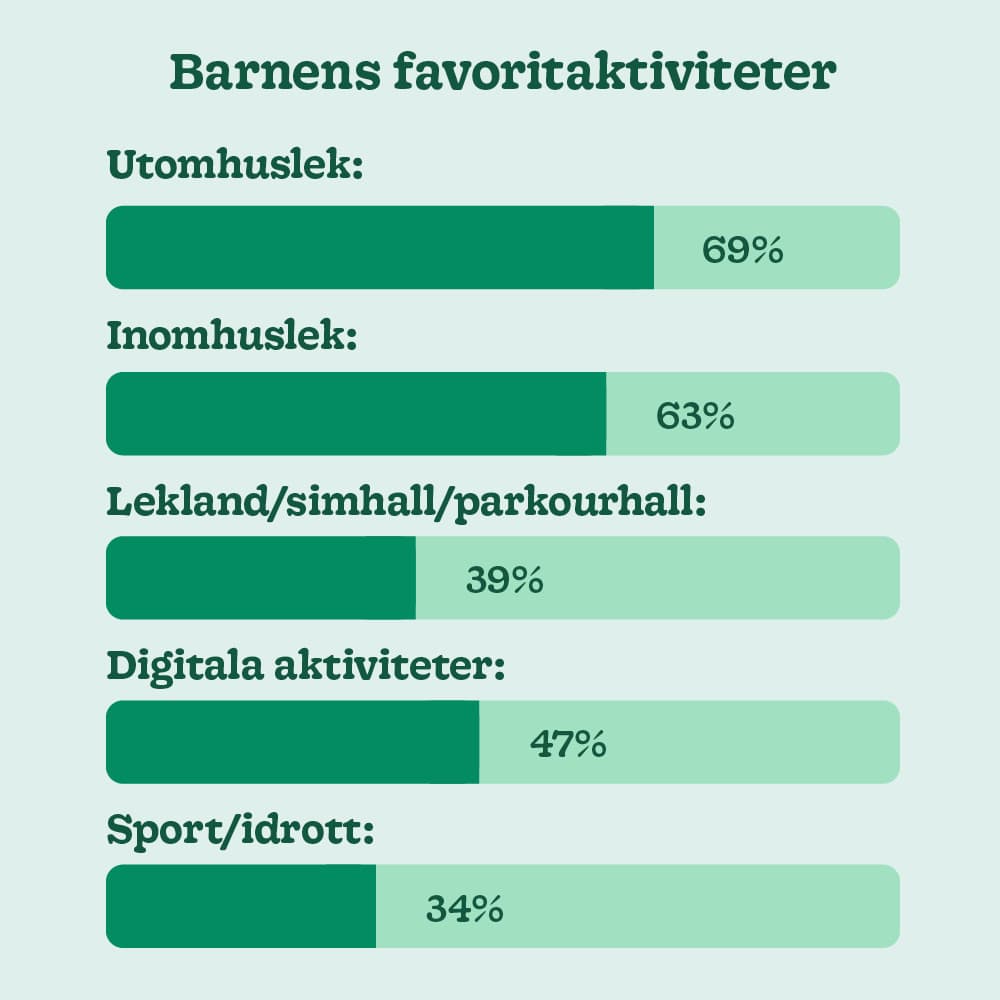
    Only one in three ten-year-olds plays every day

    The report shows that children’s physical play clearly decreases with age. Nearly eight out of ten children between the ages of two and four play physically every day. Among ten-year-olds, it is just over one in three. At the same time, screen time increases – more than half of the parents of ten-year-olds say their children spend two to three hours or more in front of a screen every day.

    The report also shows that many children face motor skill challenges. One in five children sometimes avoids activities that require coordination, and nearly four out of ten children do not participate in any organized sports. According to Ingegerd Ericsson, associate professor of sport science, motor skills can affect more than just movement itself.

    Motor skills influence children’s social relationships more than many people think. Children who do not dare or are not able to participate in play risk being left out, which in turn can affect both self-esteem and the desire to take part in activities.

    The purpose of the report

    The report gathers important insights about children’s play, movement and screen time today. The purpose is to highlight the importance of play and physical activity for children’s development and to contribute to greater awareness of how we together can create more space for movement in children’s everyday lives.

    Read the full report

    Why play is important

    Play is one of the most important ways for children to learn and develop. It is not only about running and jumping, but also about learning new skills and developing social relationships. According to the study, play strengthens children’s vocabulary, mathematical ability, problem-solving and ability to cooperate.

    When play also includes physical activity, the effects become even greater. Children who are actively moving find it easier to concentrate, sleep better and develop stronger self-confidence.

    How we together can contribute to a more active generation

    Parents
    Give play more space in everyday life and help create a balance between screens. Small moments of activity make a big difference.

    Schools and preschools
    Let movement become a natural part of the day through playful teaching and environments that contribute to activity, curiosity and community.

    Municipalities
    Invest in safe, inspiring and accessible playgrounds and sports areas where all children can be active, regardless of background or circumstances.

    Decision-makers
    Ensure that children’s movement has a natural place in community planning and let the Leisure Card also include younger children, so that the joy of movement can start early.
    Read the full report

    Explore last year’s report in more depth

    In The Play & Movement Report 2025, the study examined how children’s play, movement and screen time change over time and the importance of physical activity for children’s development and health.

    The Play & Movement Report 2025

    So far this year children have moved more than 5,7 billion steps with us

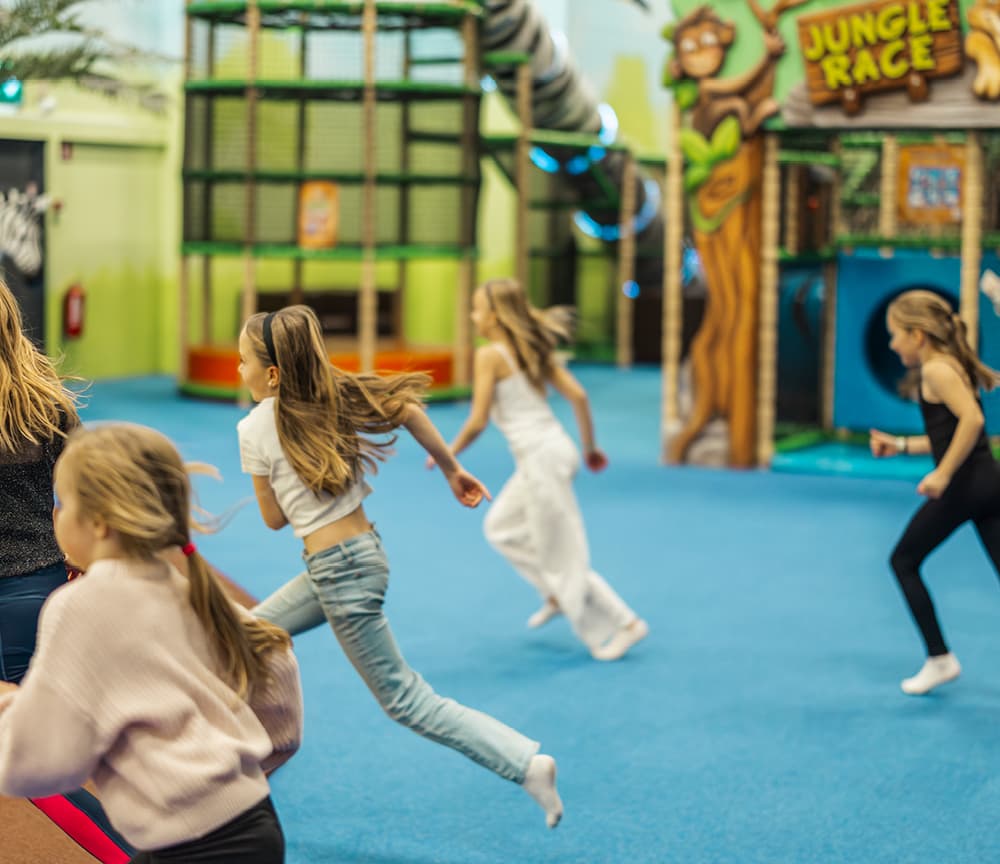
    In Leo’s jungle there are thousands of square meters of play space where children can run, play and explore. The best part? They move without thinking about it, on average 11,600 steps per visit! Our attractions suit all ages – climb up volcanoes, dive into the ball pit or rush down a waterfall.